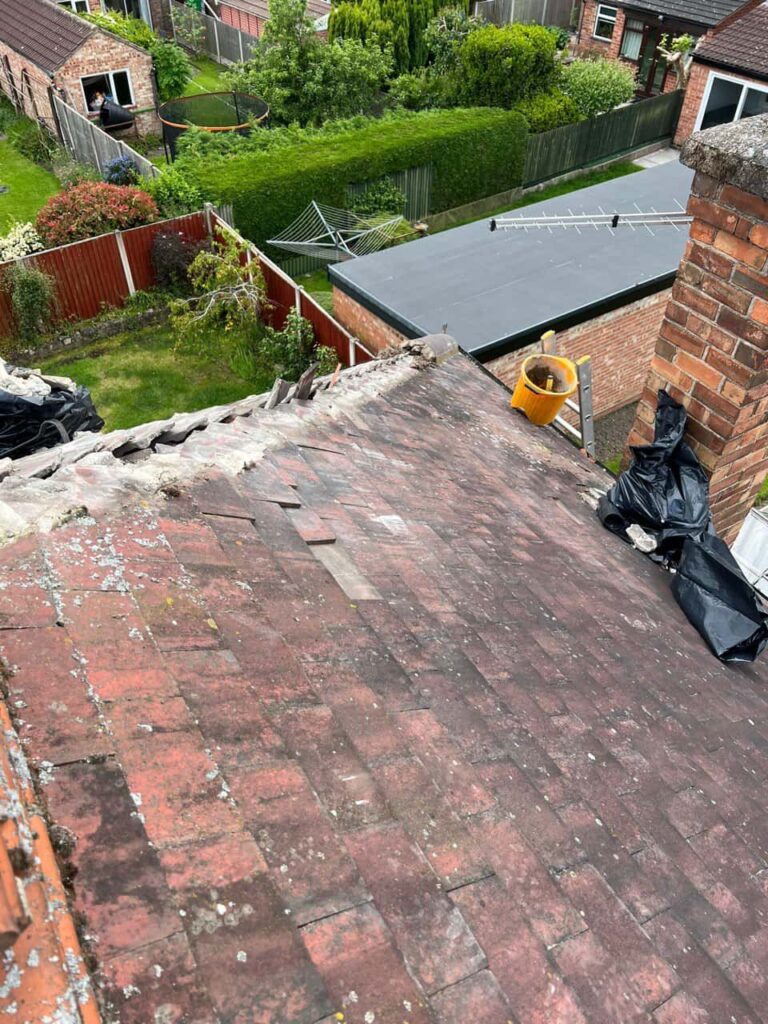
When homeowners notice a roof leak, the first assumption is often that damaged tiles or missing slates are to blame. While these issues can certainly cause water ingress, another common culprit is faulty roof flashing. Flashing plays a crucial role in protecting vulnerable areas of the roof, and when it becomes damaged or deteriorates, it can allow water to enter the property unnoticed.
For homeowners in Gainsborough, Lincolnshire, understanding the importance of roof flashing can help identify problems early and prevent more extensive roofing damage. At Gainsborough Roofing Repairs, we regularly investigate roof leaks caused by flashing defects and provide professional repair solutions that restore the roof’s weather resistance.
What Is Roof Flashing?
Roof flashing is a protective material installed around roof features and joints where water is more likely to penetrate. It is designed to direct rainwater away from vulnerable areas and prevent moisture from entering the structure.
Flashing is commonly found around:
- Chimneys
- Roof valleys
- Dormer windows
- Roof vents
- Skylights
- Wall and roof junctions
Without properly functioning flashing, these areas become highly susceptible to leaks.
Why Flashing Is So Important
Even a well-constructed roof contains multiple joints and transitions where different materials meet. These points naturally create potential entry routes for water.
Flashing helps by:
- Creating a waterproof barrier
- Directing water safely away
- Protecting roof penetrations
- Preventing moisture from reaching underlying structures
Because flashing protects some of the most vulnerable parts of a roof, any failure can quickly lead to water ingress.
Common Signs of Faulty Flashing
Flashing problems are not always obvious from the ground, but there are several warning signs homeowners should watch for.
Potential indicators include:
- Water stains on ceilings or walls
- Damp patches near chimneys
- Leaks around skylights
- Visible gaps or lifting flashing
- Rust or corrosion on metal flashing
- Loose sections following strong winds
If any of these signs are present, a professional roof inspection is recommended.
How Flashing Becomes Damaged
Roof flashing is constantly exposed to changing weather conditions and natural ageing. Over time, materials can weaken or become displaced.
Common causes of flashing failure include:
Weather Exposure
Years of exposure to rain, frost, sunlight, and strong winds can gradually wear flashing materials down.
Movement of the Roof Structure
Buildings naturally expand and contract with temperature changes. This movement can place stress on flashing and cause it to loosen over time.
Poor Previous Repairs
Improper installation or temporary repair methods may fail to provide lasting protection, allowing leaks to develop later.
Ageing Materials
Like all roofing components, flashing has a lifespan. Older flashing may crack, corrode, or separate from adjoining surfaces.
Why Flashing Leaks Are Often Difficult to Identify
One reason flashing problems can be challenging to diagnose is that water rarely appears directly beneath the defect.
After entering through damaged flashing, water may travel along:
- Roof timbers
- Battens
- Underlay
- Loft insulation
As a result, the visible leak inside the property may be some distance from the actual source.
This is why professional leak detection is often necessary to identify the true cause of the problem.
The Risks of Ignoring Flashing Problems
A small flashing defect may seem insignificant initially, but it can allow moisture to enter the roof structure repeatedly over time.
Potential consequences include:
- Damp loft spaces
- Water-stained ceilings
- Timber deterioration
- Mould growth
- Damage to roofing materials
Addressing flashing issues early helps prevent wider damage and preserves the condition of the roof.
Areas Most Vulnerable to Flashing Failure
Certain parts of a roof are more susceptible to flashing-related leaks than others.
These include:
Chimney Flashing
The junction between a chimney and the roof is one of the most common sources of roof leaks.
Roof Valleys
Valleys carry large volumes of rainwater and rely heavily on effective flashing to remain watertight.
Skylights and Roof Windows
Flashing around roof windows must be installed correctly to prevent water from entering around the frame.
Roof-to-Wall Connections
Where roofs meet external walls, flashing provides essential waterproof protection.
The Benefits of Professional Flashing Repairs
Repairing flashing requires more than simply applying a temporary sealant. Long-term solutions involve identifying the cause of failure and restoring the affected area correctly.
Professional flashing repairs help:
- Eliminate water ingress
- Restore weather protection
- Prevent recurring leaks
- Extend the lifespan of the roof
At Gainsborough Roofing Repairs, we carry out thorough inspections to ensure flashing defects are properly identified and repaired.
Why Choose Gainsborough Roofing Repairs?
At Gainsborough Roofing Repairs, we provide:
- Roof leak investigations
- Flashing repairs and replacement
- Chimney and valley inspections
- Tile and slate roofing repairs
- Professional roofing maintenance services
Our experienced team works throughout Gainsborough, Lincolnshire, helping homeowners protect their properties from weather-related roofing problems.
Conclusion
Faulty flashing is one of the most common causes of roof leaks and is often overlooked until significant damage has occurred. Because flashing protects critical roof junctions and penetrations, even minor defects can allow water to enter the property and affect the wider roof structure.
For homeowners in Gainsborough, Lincolnshire, arranging a professional roof inspection at the first sign of a leak can help identify flashing problems before they escalate. At Gainsborough Roofing Repairs, we provide expert roofing services designed to locate the source of leaks and deliver reliable, long-lasting repair solutions that keep your roof performing at its best.
Call us on: 01427 809 597
Click here to find out more about Gainsborough Roofing Repairs
Click here to complete our contact form and see how we can help with your roofing needs.