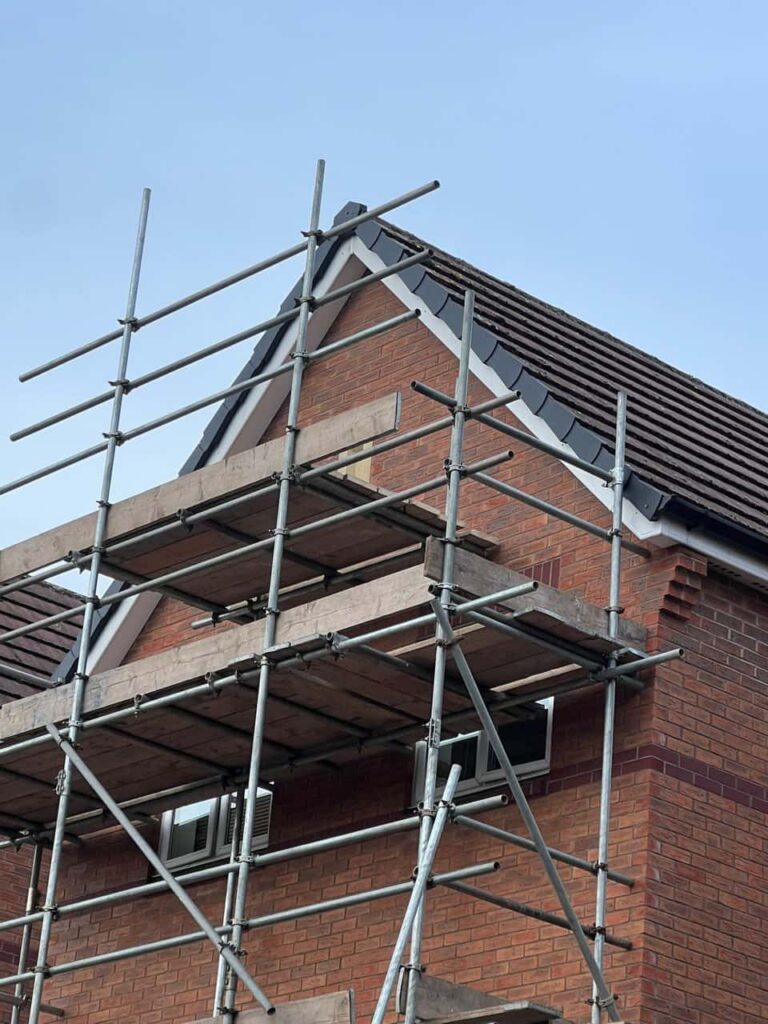
Heavy rain can put considerable pressure on a roof, particularly where existing weaknesses, ageing materials or drainage problems are present. Sometimes the signs of damage are obvious, while in other cases a leak may only become noticeable after water has had time to travel through the roof structure.
For homeowners in Gainsborough, Lincolnshire, checking the condition of the roof after periods of heavy rainfall can help identify problems early. Prompt attention can help prevent a small defect from developing into a more extensive roofing issue.
Check for Signs of Water Ingress
One of the first things to look for after heavy rain is evidence that water has entered the property. Damp patches, water marks or dripping from ceilings can indicate a roofing problem.
It is important to remember that the visible location of a leak may not be directly beneath the damaged section of the roof. Water can travel along roofing materials or structural components before appearing inside.
If you notice unexplained moisture, the roof should be professionally assessed to identify the actual source.
Look for Damaged or Displaced Tiles
Heavy rainfall is often accompanied by strong winds, which can contribute to tiles or other roof coverings becoming loose, cracked or displaced.
From a safe position at ground level, look for obvious gaps or changes in the roofline. Avoid climbing onto the roof yourself, especially when the surface is wet, as this can create a significant safety risk.
A professional roofer can inspect the roof and determine whether individual tiles or larger sections require attention.
Inspect Flashing and Roof Junctions
Flashing around chimneys, roof junctions and other vulnerable areas helps prevent rainwater from entering the property. Heavy rain can reveal weaknesses in these areas, particularly where flashing is already deteriorating or has become loose.
Signs of a problem may include damp patches around internal walls or ceilings, visible gaps or deteriorated flashing. Professional inspection can establish whether the flashing is contributing to water ingress.
Check Gutters and Downpipes
Roof drainage systems play an important role during periods of heavy rainfall. Gutters and downpipes need to carry rainwater away from the roof efficiently.
Blocked or damaged gutters can cause water to overflow and collect against areas of the roof or external walls. After heavy rain, check from a safe position for overflowing gutters, visible blockages or water running where it should not.
Keeping drainage routes clear can help reduce avoidable water-related problems.
Look for Sagging or Uneven Areas
A noticeable change in the shape of a roof can indicate that an area requires further investigation. Sagging may be associated with problems affecting the roof covering or underlying structure.
Do not attempt to inspect or repair a sagging roof yourself. If you notice a significant change in the roofline, professional assessment should be arranged as soon as practical.
Check the Loft or Roof Space
If the property has an accessible loft, it may be possible to identify signs of water ingress from inside. Look for damp insulation, water marks, mould growth or moisture around roof timbers.
However, care should be taken when entering a loft, particularly if there has been significant water ingress. If you are unsure about the condition of the area, arrange a professional inspection instead.
What to Do If You Find a Roof Leak
If heavy rain has revealed a leak, avoid attempting to access the roof or make temporary repairs from a ladder. Wet roofing materials can be slippery, and damaged areas may be unstable.
Where safe, move belongings away from the affected area and use a suitable container to catch dripping water. If water is close to electrical fittings, avoid contact with them and seek appropriate professional assistance.
The next step should be arranging a professional roof inspection so that the source of the problem can be identified.
Why Prompt Roof Repairs Are Important
A roof that has been compromised by heavy rain may continue to allow moisture inside during subsequent rainfall. Leaving the problem unresolved can give water more opportunity to affect roofing materials and areas beneath the roof covering.
Prompt professional repairs can address the source of the problem and help restore the roof’s ability to protect the property.
Professional Roof Repairs in Gainsborough, Lincolnshire
For homeowners in Gainsborough, Lincolnshire, Gainsborough Roofing Repairs can inspect roofs affected by leaks, displaced materials, damaged flashing and other problems following heavy rain.
A professional assessment can help establish the cause of the issue and identify the appropriate repair work needed to restore the condition of the roof.
Preparing Your Roof for Future Heavy Rain
Regular roof checks can help identify developing problems before severe weather exposes them. Look for damaged roof coverings, deteriorating flashing, blocked gutters and other visible defects.
Keeping drainage systems clear and arranging repairs when problems are first noticed can help maintain the roof’s condition and reduce the likelihood of unexpected issues during heavy rainfall.
Conclusion
Heavy rain can expose weaknesses in a roof that may otherwise go unnoticed. Water ingress, displaced tiles, damaged flashing, blocked gutters and changes to the roof structure are all signs that professional attention may be required.
If you have noticed signs of roof damage after heavy rain in Gainsborough, Lincolnshire, contact Gainsborough Roofing Repairs to discuss the problem and arrange a professional assessment.
Call us on: 01427 809 597
Click here to find out more about Gainsborough Roofing Repairs
Click here to complete our contact form and see how we can help with your roofing needs.